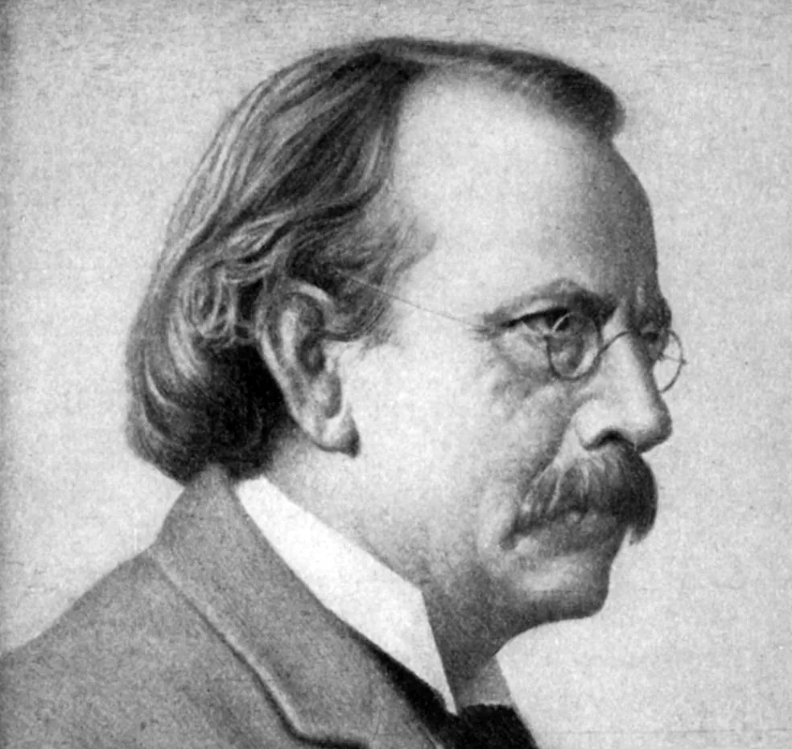
J.J. Thomson – Discovered the electron through his work with cathode ray tubes at the Cavendish Laboratory, Cambridge
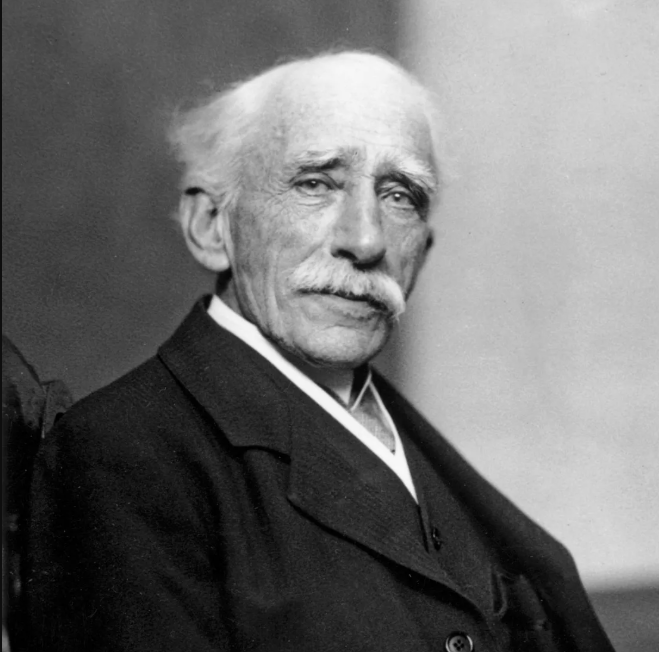
John Ambrose Fleming – Invented the first vacuum tube (the diode) using thermionic emission.
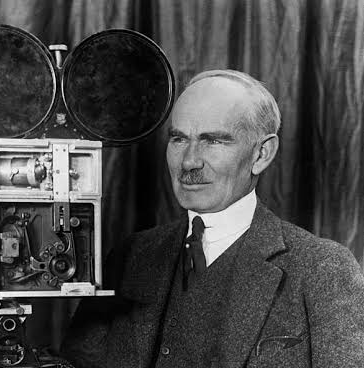
Lee De Forest – Invented the triode (Audion) in 1906, which enabled signal amplification and made radio transmission practical.
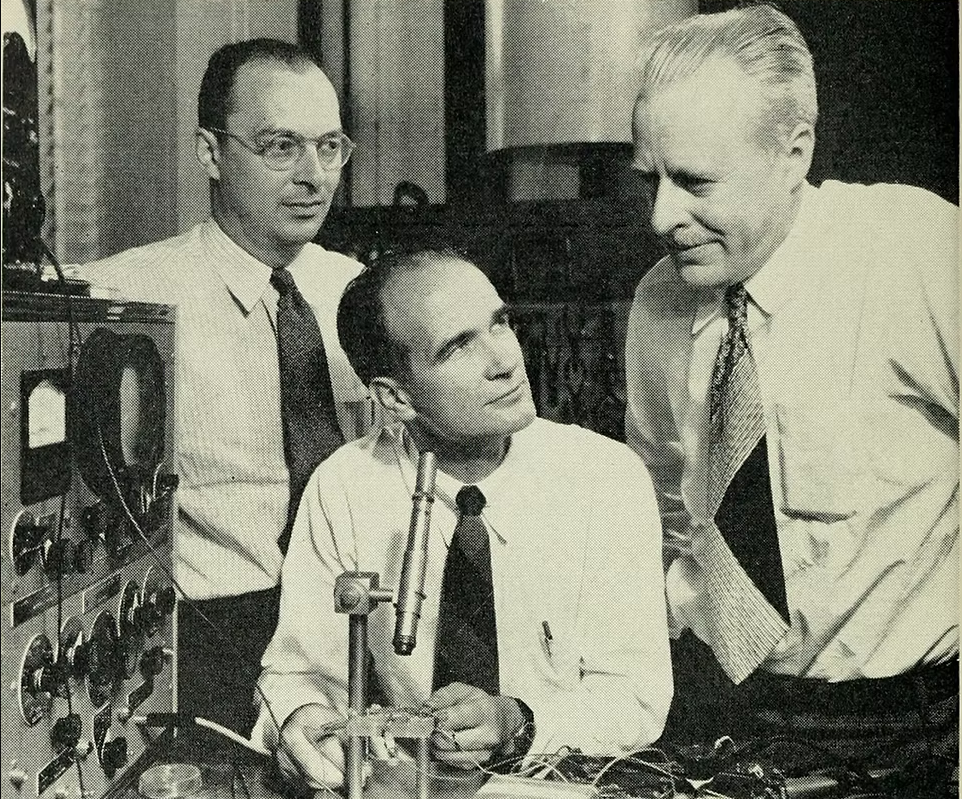
John Bardeen, William Shockley, and Walter Brattain – Developed the first working transistor at Bell Labs.
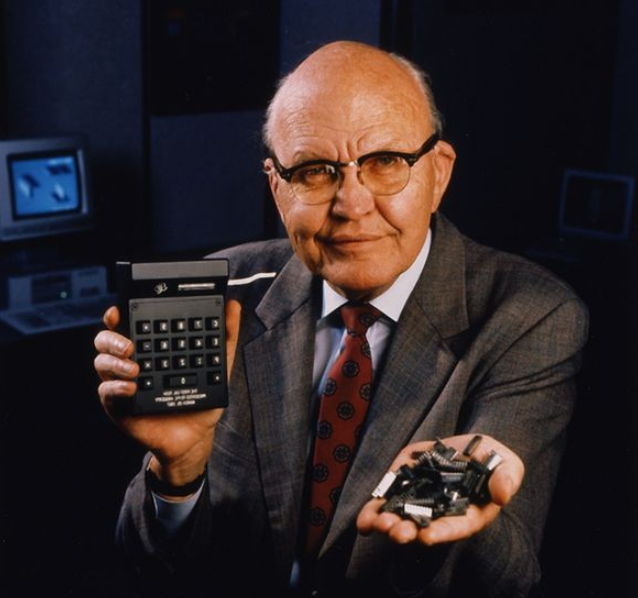
Jack Kilby – Built the first working integrated circuit at Texas Instruments using germanium.
Awarded the Nobel Prize in Physics (2000).
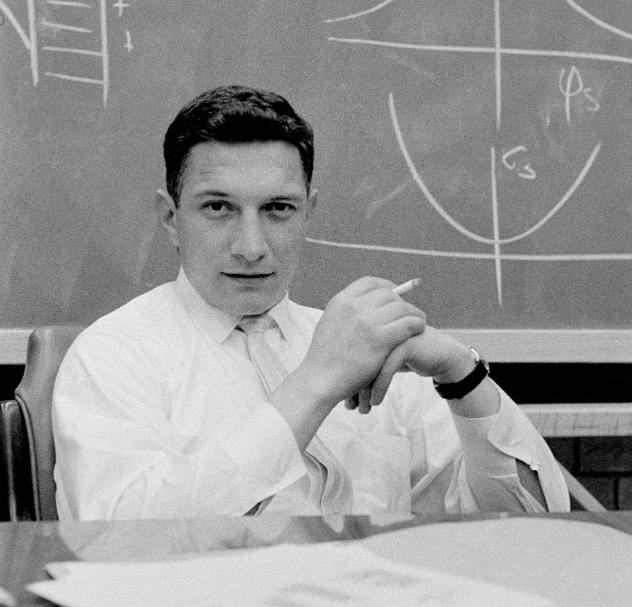
Robert Noyce – Independently developed the integrated circuit using silicon at Fairchild Semiconductor in 1959.
Noyce later co-founded Intel.
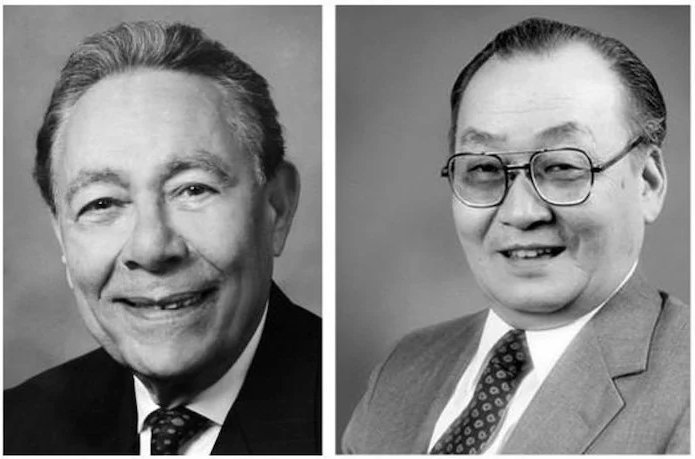
Mohamed Atalla and Dawon Kahng (Bell Labs) – Invented the MOSFET, which became the foundation for modern digital circuits.
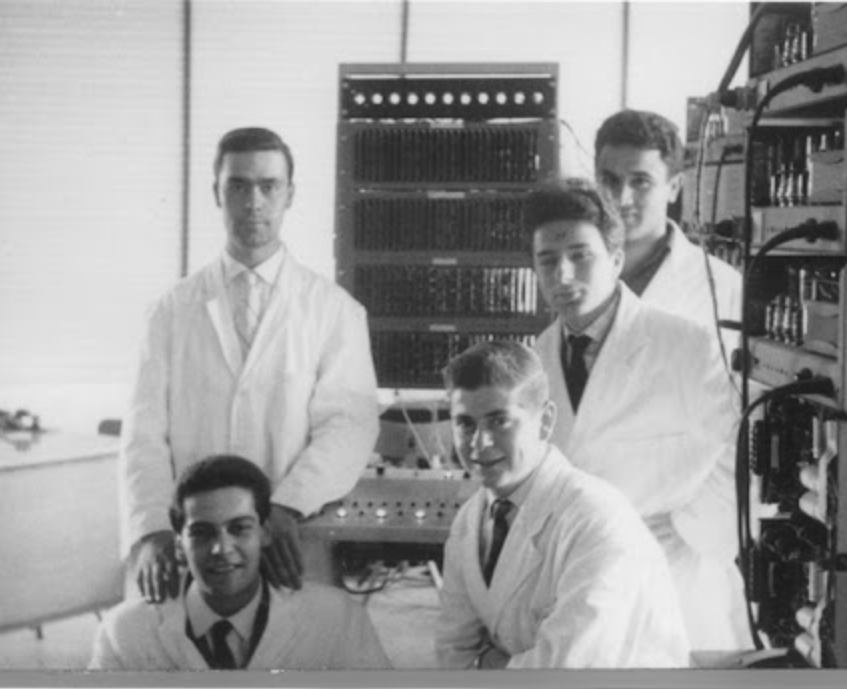
Federico Faggin – Designed and built the Intel 4004 microprocessor.
Marcian Hoff – Created the architecture for the 4004 at Intel.
Stanley Mazor – Co-developed the instruction set and logic design.
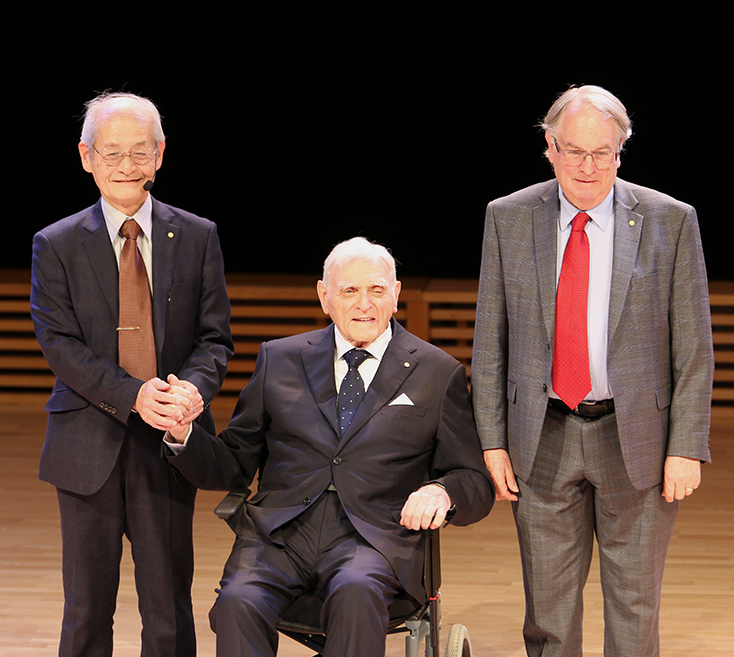
John Goodenough – Discovered the key materials for high-energy lithium-ion batteries.
Stanley Whittingham – Developed the first rechargeable lithium battery.
Akira Yoshino – Developed the first commercially viable lithium-ion battery.
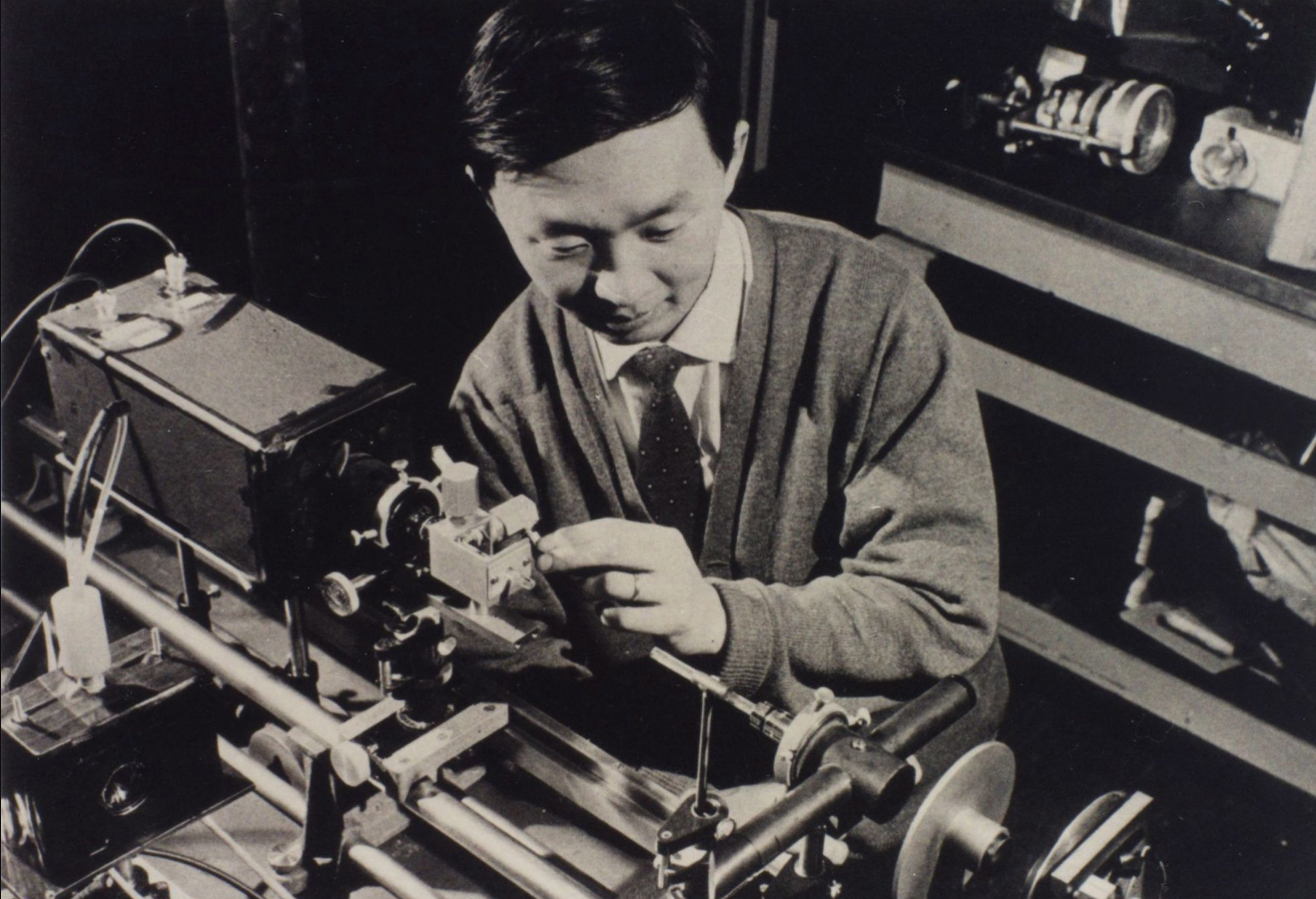
Charles Kao – Demonstrated the feasibility of long-distance fiber optic communication using low-loss glass fibers.
Awarded the Nobel Prize in Physics (2009).
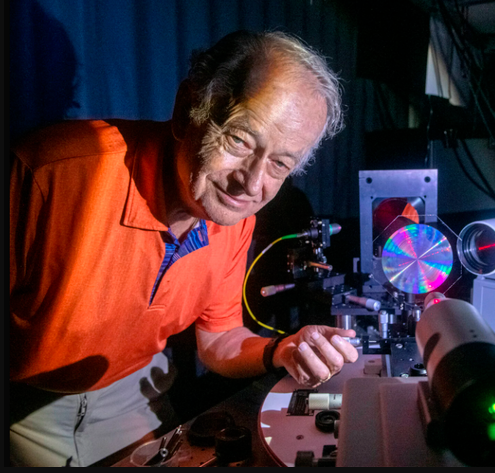
Frank Wanlass – Developed the concept of CMOS (Complementary Metal-Oxide-Semiconductor) technology in 1963.
Frederico Capasso – Contributed to the scaling and integration of CMOS for high-performance computing.
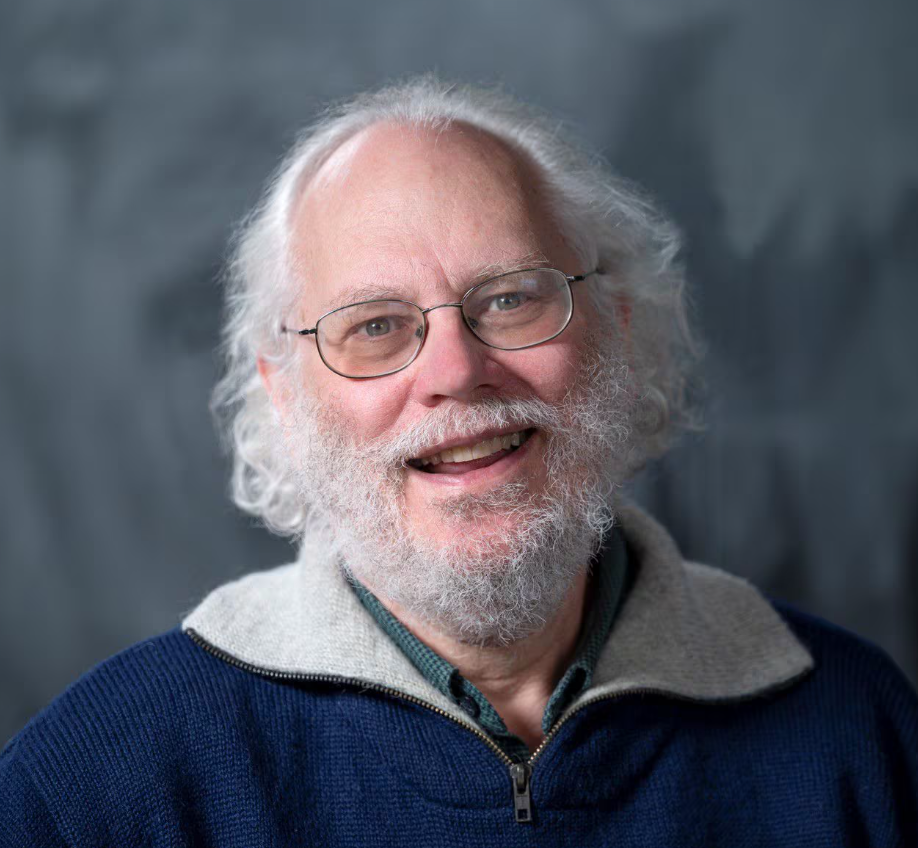
Peter Shor – Developed Shor's algorithm, proving the potential of quantum computing.